Community
Lessons from Jamestown: The people, pride and passion of Accra’s boxing community
December 18 2025
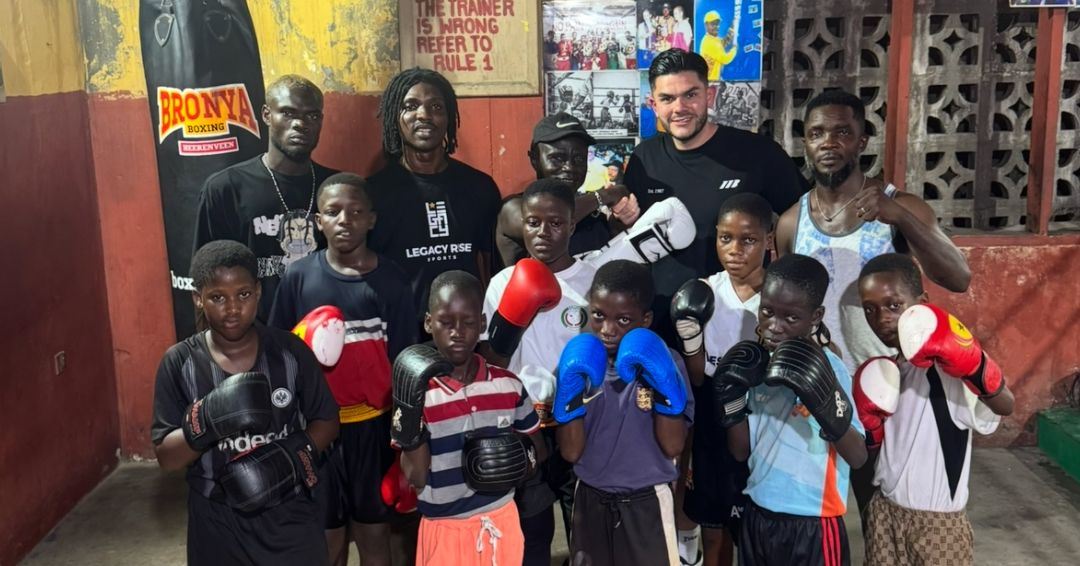
Away from the bright lights of fight night, the focus shifted to Jamestown, where Matchroom’s Head of Community Development Alex Le Guével spent time visiting the gyms and people who sit at the very heart of Ghanaian boxing.
Often described as the spiritual home of boxing in Africa, Bukom – an area within Jamestown, Accra – has produced five world champions and countless national heroes.
More than that, it remains a living, breathing ecosystem for the sport, where boxing is not simply a pathway to competition, but a tool for structure, discipline and opportunity for young people growing up in the area.
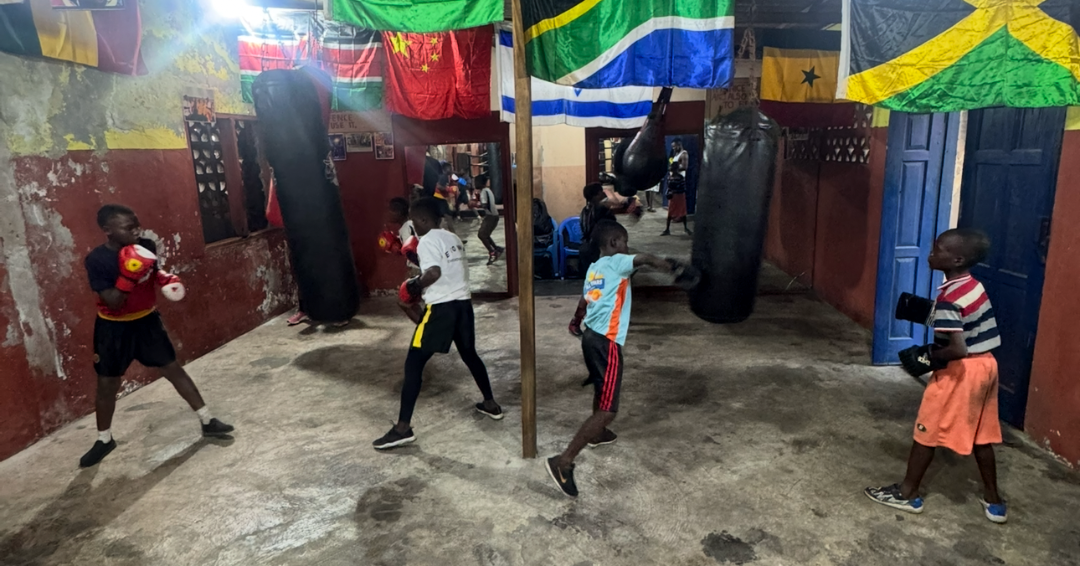
Alongside Mubarak Yusuf Nanor from Legacy Rise Sports, Le Guével visited seven local clubs and organisations – Wisdom Boxing Gym, Attoh Quarshie Boxing Club, Seconds Out Boxing Gym, Charles Quartey Boxing Foundation, Will Power Boxing Gym, Jamestown Boxing Club and Besesaka – meeting coaches, young fighters and the community champions who keep these spaces alive.
At each stop, the focus was on listening and understanding. Conversations moved naturally from the practical challenges clubs face – space, equipment, funding and safeguarding – to the pride that runs through every gym.
Despite limited resources, there was a shared sense of responsibility for the young people coming through the doors – and a deep belief in boxing’s ability to shape lives far beyond the ring.
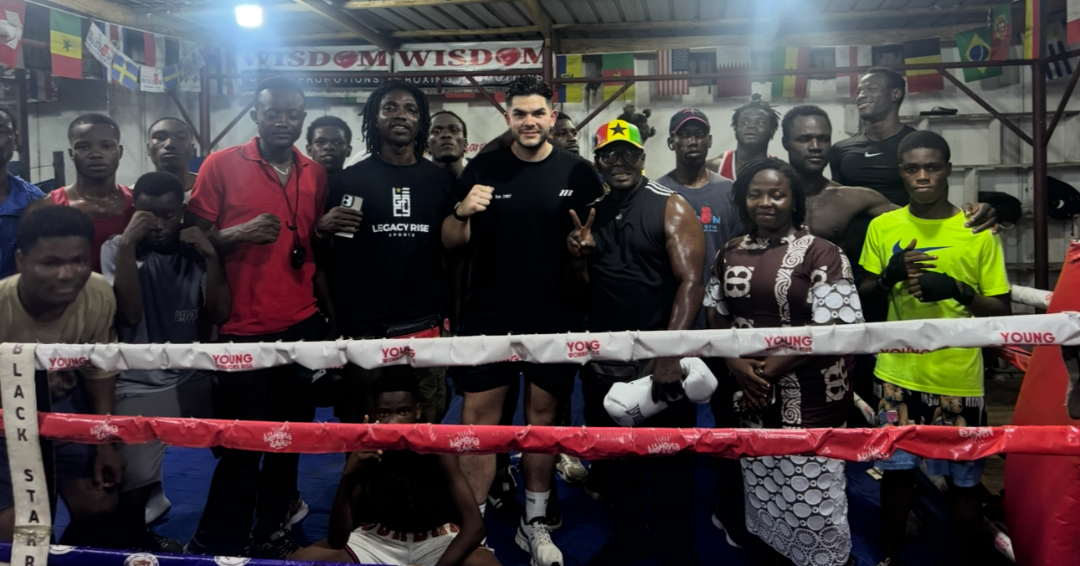
As a small gesture of appreciation, each club was presented with a signed pair of Everlast boxing gloves, donated by heavyweight prospect Leo Atang.
In a place where symbols matter, the gloves were less about memorabilia and more about recognition – a nod to the work being done quietly, day in and day out.
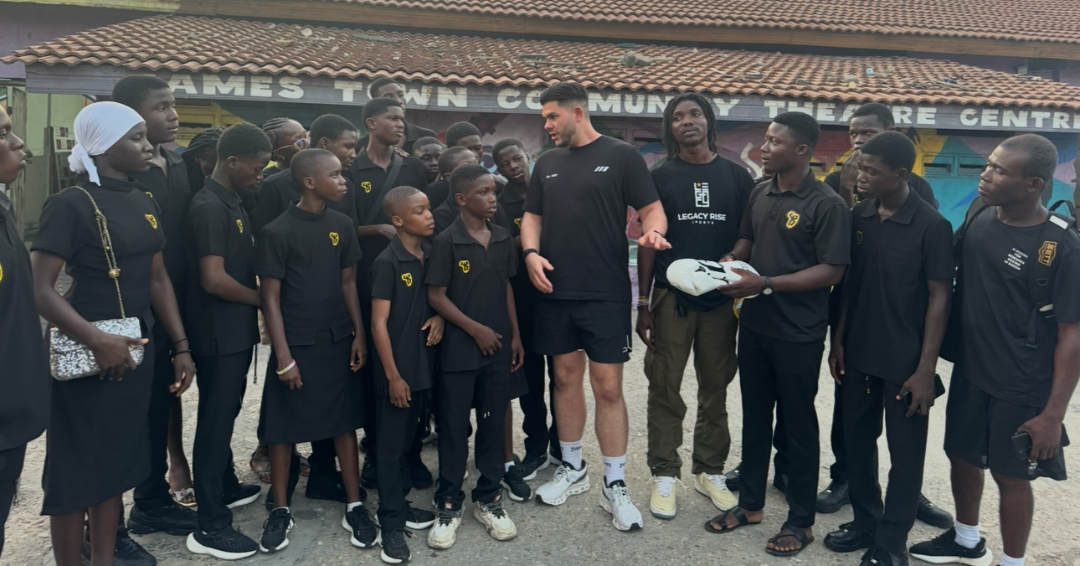
One of the defining impressions of the visits was just how interconnected the Bukom boxing community remains. Coaches spoke openly about sharing knowledge, supporting one another’s programmes and guiding young fighters between gyms when it served their development best.
Rivalry exists, but it is outweighed by a collective understanding that progress for one club often strengthens the whole area.
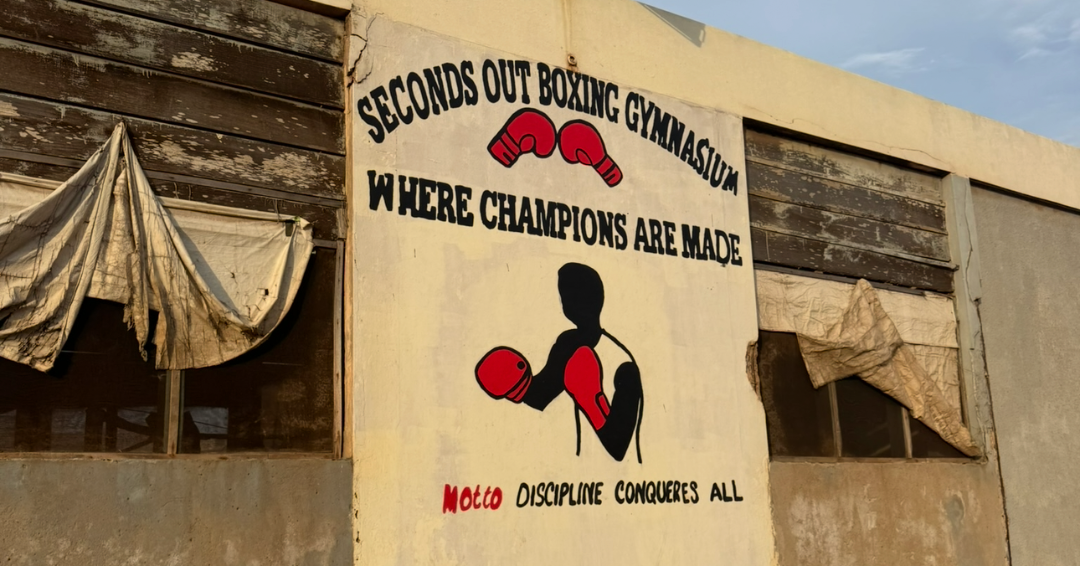
Walking between gyms, Le Guével reflected on the importance of being physically present in these environments – not as a visiting organisation, but as a partner willing to learn.
“Being on the ground here has been incredibly powerful,” he said.
“You can read about Bukom’s history, but until you walk these streets, step into the gyms and spend time with the coaches and young fighters, you don’t fully understand what boxing means in this community,” he continued.
“The pride, the collaboration, the responsibility they feel for young people – that’s something we can all learn from.”
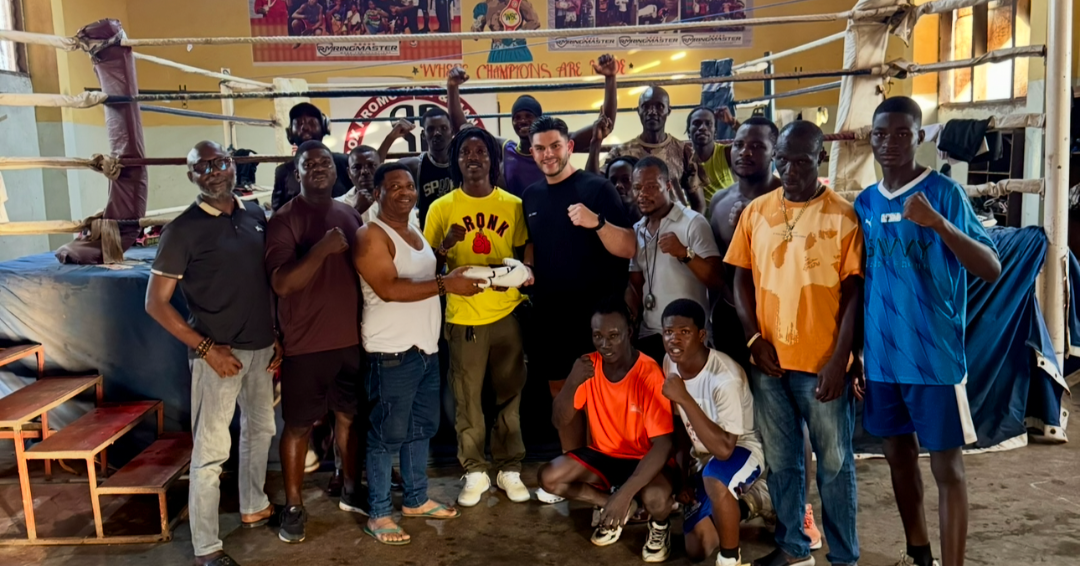
For Matchroom in the Community, the visits formed a crucial part of understanding how the sport operates at its roots in different parts of the world.
Ghana’s boxing culture is shaped as much by shared experience and informal mentorship as it is by formal structures – and that balance offered valuable insight into how future community work might be shaped.
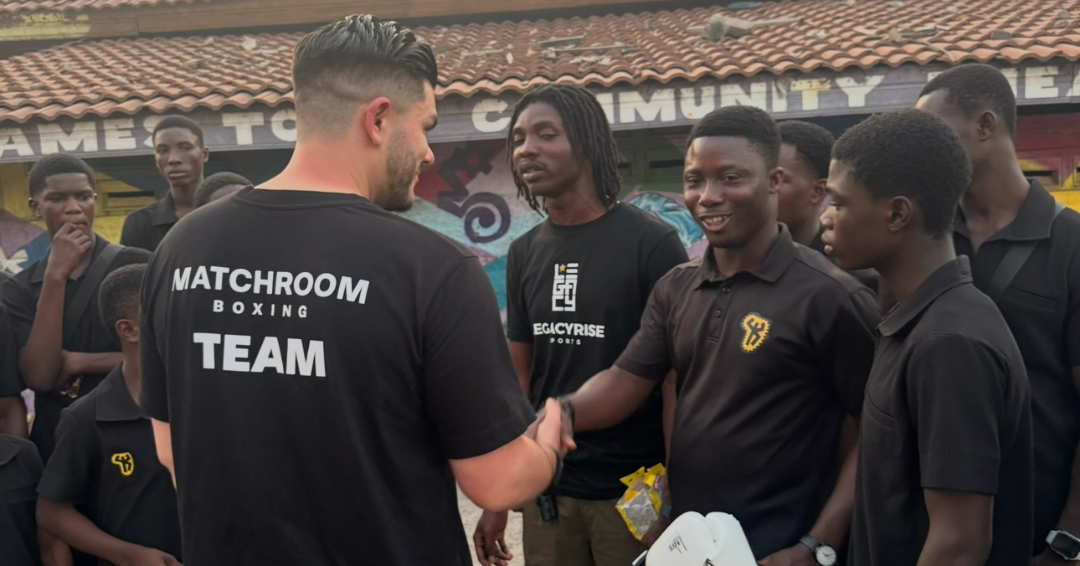
“This week has given me a huge amount to reflect on,” Le Guével continued.
“Seeing how closely these clubs work together, often with very little, but with such strong values, will stay with me.”
“If we’re serious about strengthening grassroots boxing globally, then experiences like this have to inform how we move forward.”
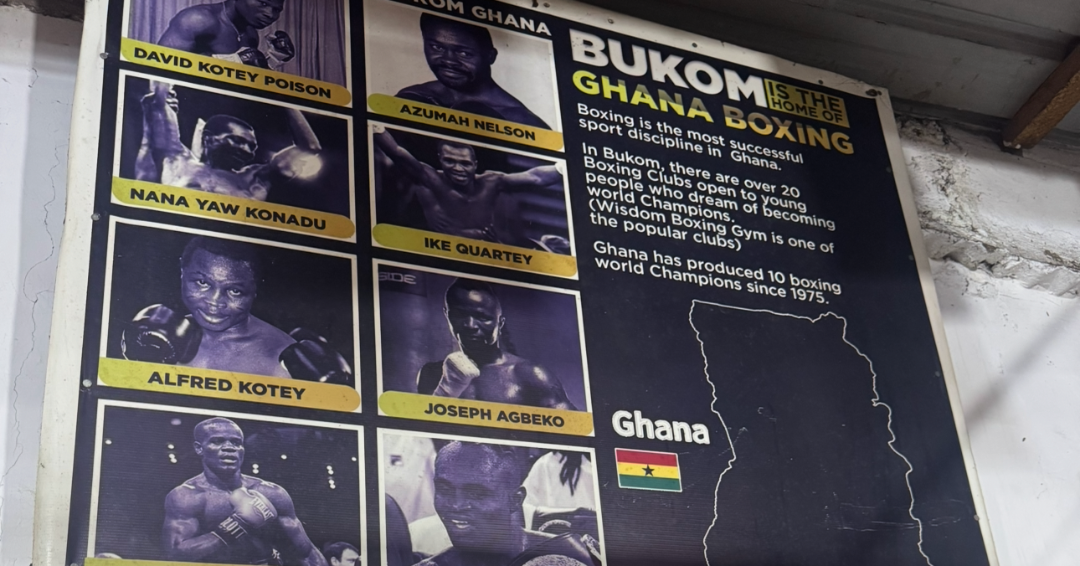
Matchroom’s wider ambition is to strengthen grassroots boxing in communities around the world by utilising our platform to create access, foster connection and support the people already doing the work.
In Bukom, that ambition felt grounded in reality – shaped by conversations, shared time and a genuine respect for local knowledge.
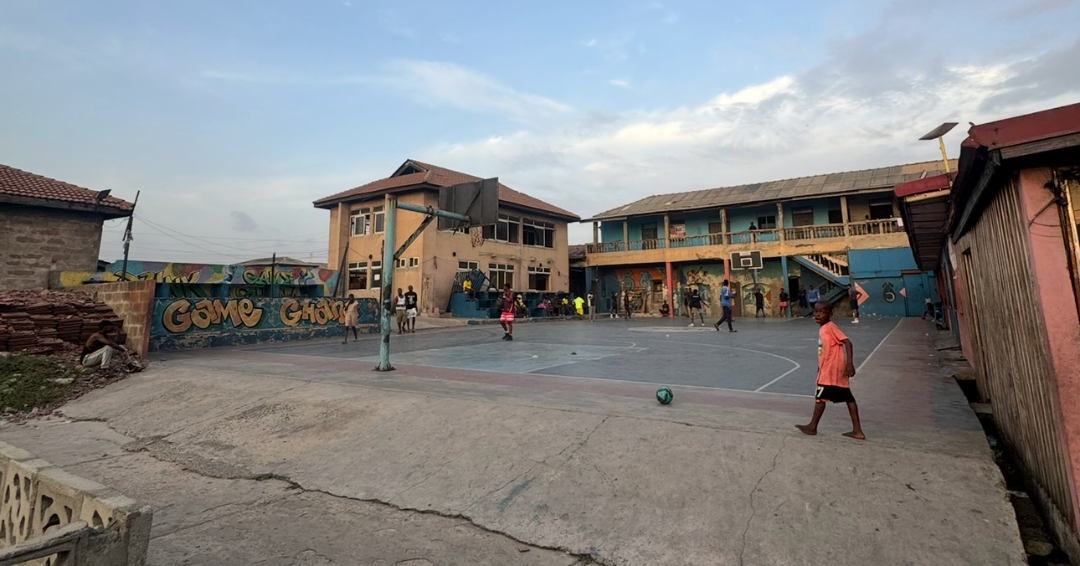
As the visits came to an end, it was clear that the value lay not in what we brought with us, but in what was taken away: understanding, perspective and a renewed commitment to keeping community boxing at the centre of the sport’s future.
In a place where champions are forged on the streets and in small, crowded gyms, Bukom once again showed why boxing’s foundations matter – and why being present, listening and learning on the ground is essential to building anything meaningful that lasts.