Community
Strength in Numbers: Community Boxing’s National Impact Celebrated in Parliament
March 4 2026
Matchroom and Empire Fighting Chance bring grassroots boxing to Westminster, celebrating a growing national movement that has already impacted more than 25,000 young people across the UK.
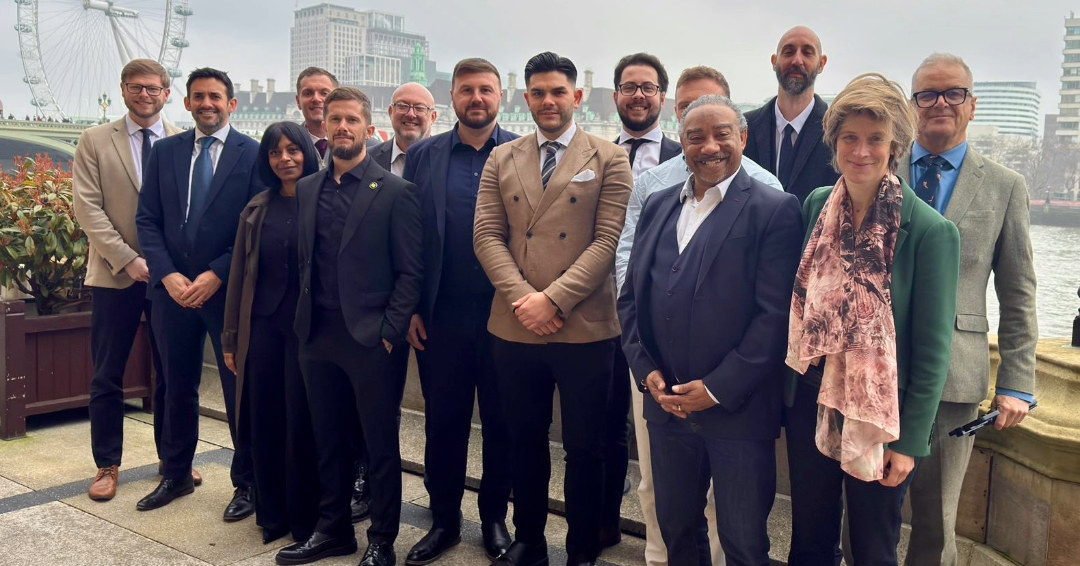
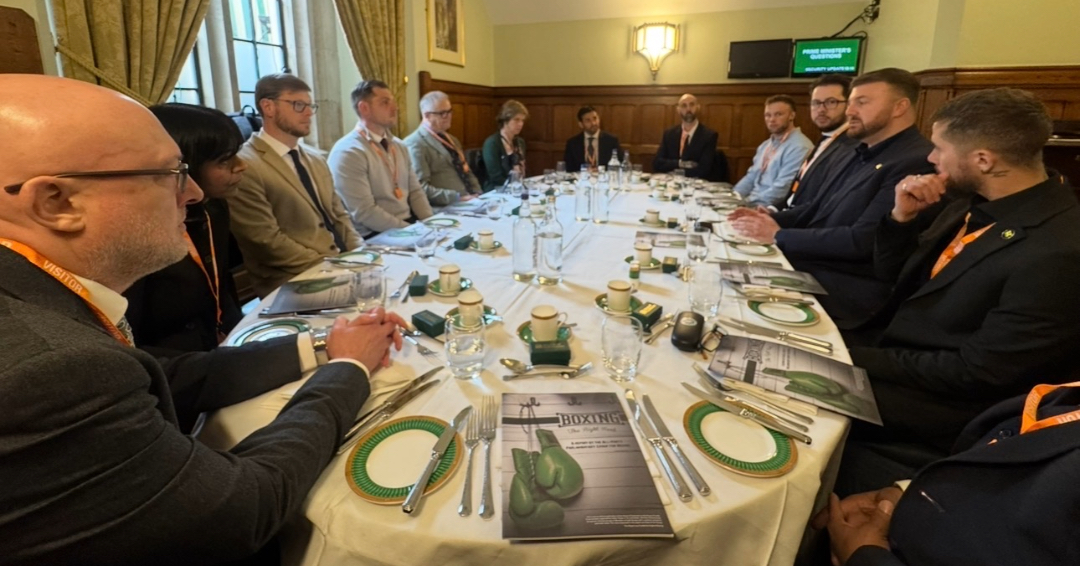
This week, the power of community boxing took centre stage in Westminster as Matchroom Boxing joined Empire Fighting Chance and five partner clubs at the Houses of Parliament for a landmark discussion highlighting the sport’s growing role in social change.
Hosted alongside Chris Webb MP, Vice Chair of the All-Party Parliamentary Group for Boxing, the gathering brought together leaders from across the boxing sector to present the national impact of community boxing programmes and to explore how the sport can continue to support young people and communities across the UK.
The day represented something far greater than a policy discussion. It was a celebration of the extraordinary work being delivered inside local boxing gyms every day and a moment to share the evidence behind that impact with decision-makers.
Celebrating a national network
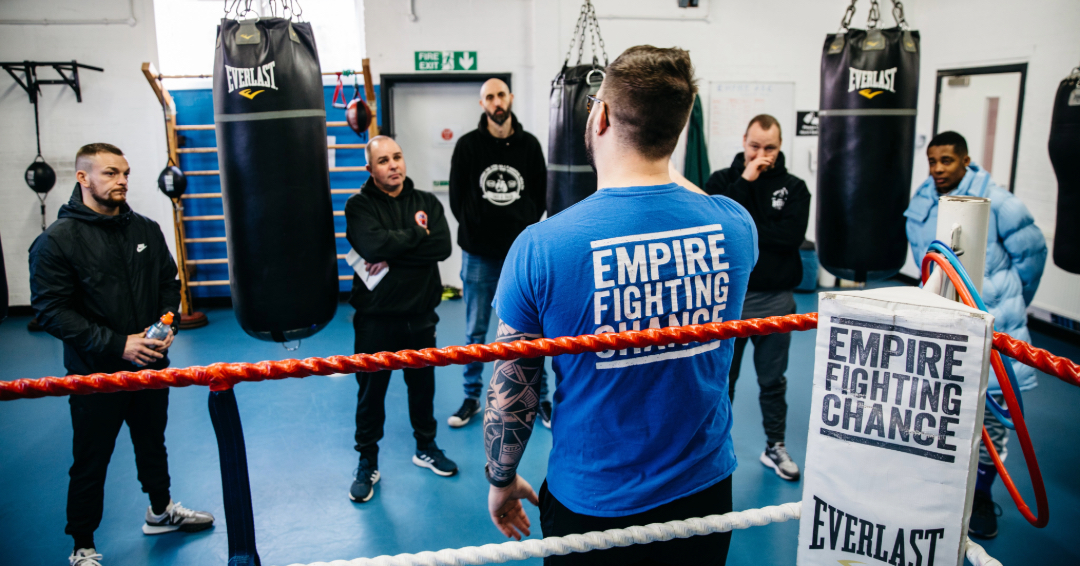
Across the country, community boxing clubs are providing far more than sporting opportunities. They act as trusted hubs within their neighbourhoods, offering mentorship, structure and safe spaces for young people navigating complex challenges.
At the heart of the discussion was the growing Boxing for Good network established by Matchroom and Empire Fighting Chance, which now connects 61 partner boxing clubs across the UK – each delivering programmes designed to support young people through the discipline and community of boxing.
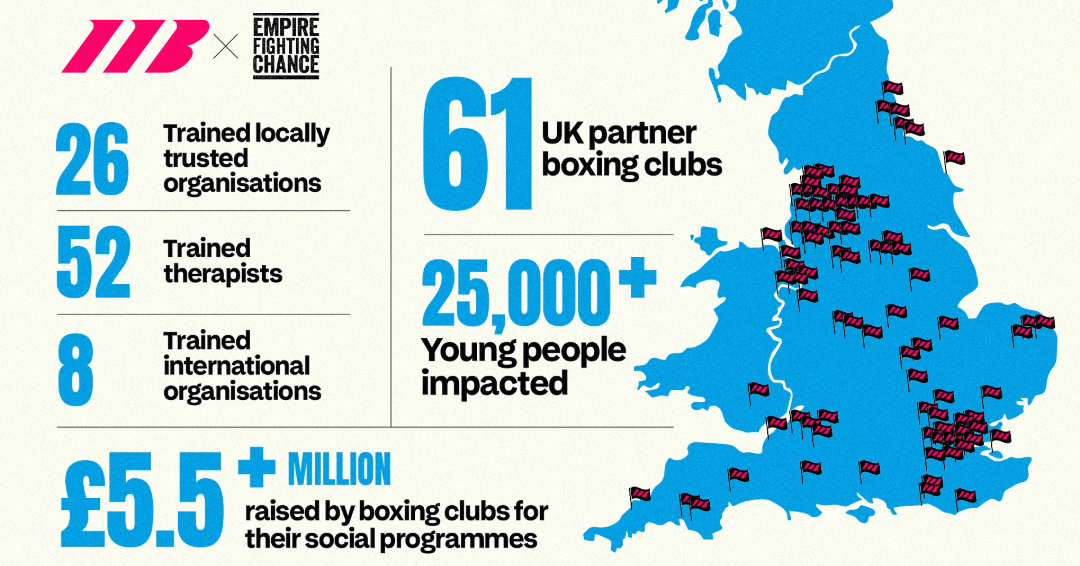
Since launching 15 months ago, the network has already achieved remarkable reach and impact:
- 61 UK partner boxing clubs delivering community programmes
- 26 locally trusted organisations trained to deliver the Boxing for Good model
- 52 therapists trained to support young people through boxing environments
- 8 international organisations trained, extending the model globally
- 25,000+ young people reached through programmes across the UK
- £5.5 million raised by boxing clubs to deliver social impact initiatives in their communities
Presented during the parliamentary session, the data offered the first comprehensive snapshot of how boxing clubs are working far beyond the ropes – supporting young people’s wellbeing, education, confidence and life prospects.
The national impact dataset, underpinned by Social Return on Investment analysis, demonstrated not only the reach of these programmes but also the measurable value they generate for young people, families and wider society.
For those inside the sport, the figures simply confirmed what coaches and volunteers have long known: boxing clubs are uniquely placed to reach young people who may otherwise fall through the cracks.
Stories behind the statistics
Alongside the data, partner clubs shared real experiences from the communities they serve – highlighting how boxing can provide stability, purpose and belonging for young people who need it most.
Many clubs spoke about the growing demand for youth support services within their communities and the role boxing gyms play as trusted environments where young people can build discipline, resilience and confidence.
These stories brought the statistics to life, illustrating how the collective efforts of coaches, mentors and volunteers across the country are helping thousands of young people build better futures.
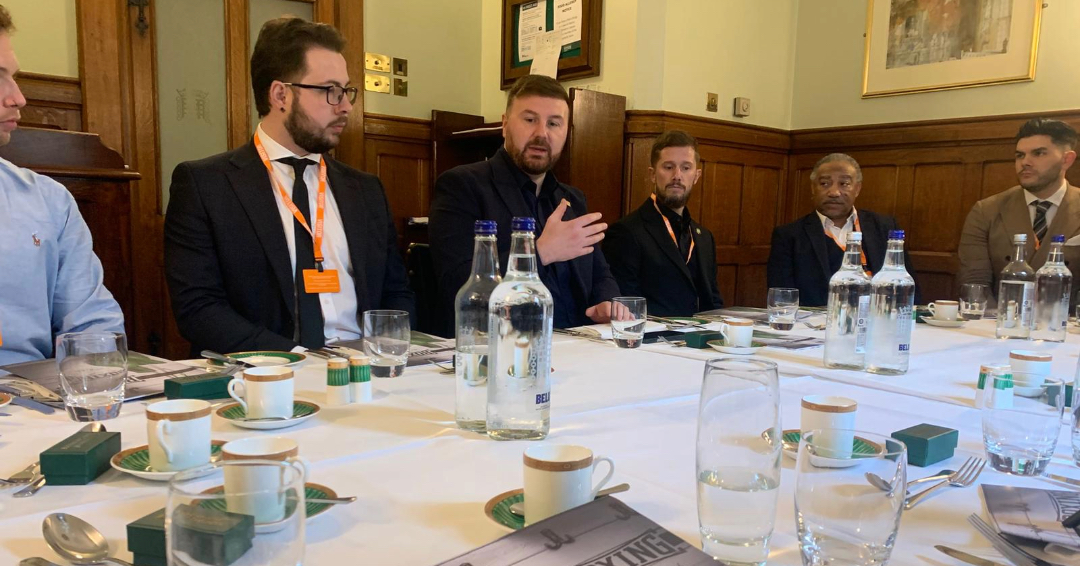
While the day was a celebration of impact, it also created space for open discussion about the challenges facing grassroots boxing.
Representatives from partner clubs spoke candidly about the barriers many gyms encounter, including funding pressures, rising operational costs and the increasing demand for community support services – challenges that closely reflect the findings of Fighting to Survive: The Precarity of Grassroots Boxing as a Leisure Practice – a Bourdieusian Perspective, a recent research paper which drew upon access to the Boxing for Good network to examine the growing structural pressures facing grassroots clubs across the UK.
Despite these challenges, the resilience of the sector was clear. Boxing clubs continue to innovate, collaborate and deliver life-changing programmes – often with limited resources but extraordinary commitment.
By bringing these conversations directly to Parliament, the network took an important step in ensuring the voices of grassroots clubs are heard within national policy discussions.
A platform for what comes next
Central to the session was a discussion around The Right Hook policy paper, first published in 2015, which outlined how boxing can play a meaningful role in youth engagement, crime prevention and community development across the UK.
Over a decade on, the conversations in Parliament pointed to a clear next step: to bring together updated data and insight from across the sector, reflecting how community boxing has grown and evolved in the years since the paper was first published.
The national impact dataset presented during the session provides a strong foundation for this work, strengthening the evidence behind the role boxing clubs play in supporting young people and communities.
Looking ahead, this process will lead to a refreshed edition of The Right Hook, with a series of launch events planned later this summer where the updated paper will be presented to partners, policymakers and stakeholders across sport and the community sector.

The Westminster gathering marked both a recognition of what has already been achieved and a launchpad for the next phase of community boxing’s development.
With stronger data, a growing network and increasing interest from policymakers, the sector now has the evidence and momentum needed to elevate boxing’s role within national conversations around youth support and community development.
While the world sees boxing through the lights of sold-out arenas, the sport’s true impact is often felt far from the spotlight – inside local gyms where coaches, mentors and volunteers are helping young people find direction, confidence and opportunity.
Now, thanks to the collective efforts of this national network, that work is finally being recognised at the highest level.