Community
Under the rock: Reflections from a boxing journey through Abeokuta
July 30 2026
Head of Community Development, Alex Le Guével, recently joined an international Peace in Our Cities Exchange in Abeokuta, Nigeria alongside partners from Empire Fighting Chance and Peace Initiative Network (PIN).
Hosted by PIN, the exchange brought together practitioners and partners from the UK, USA and Nigeria to share knowledge, exchange best practice and learn from one another’s approaches to tackling urban violence and strengthening communities.
Throughout the week, Alex kept a journal of his experiences, capturing the people, places and conversations that brought the exchange to life – and exploring the role boxing can play within that wider mission. This is his story.
First impressions of Nigeria
There are some trips that stay with you because of the places you visit. Others stay with you because of the people you meet. Our journey to Abeokuta somehow managed to be both.
Travelling as part of a City Exchange Programme, colleagues from Empire Fighting Chance, Peace in Our Cities and Peace Initiative Network (PIN) came together to share ideas, learn from one another and explore how boxing can contribute to the wider mission of reducing urban violence by strengthening communities and creating opportunities for young people.
There was another purpose behind the journey, too.
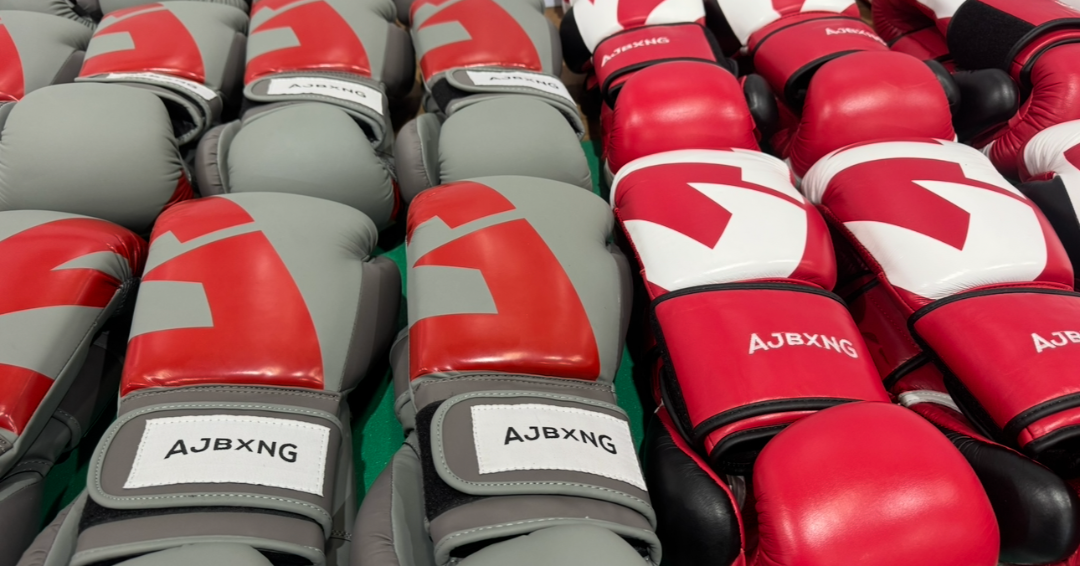
Packed between our luggage were ten bags of boxing equipment, generously donated by former two-time Unified Heavyweight World Champion Anthony Joshua and Clean Herts Community. By the end of the week, those gloves, pads and protective equipment would be in the hands of young people and coaches across Ogun State.

Looking out of the window on our descent, the first thing that struck me was just how green Nigeria was, our visit coinciding with the rainy season. Moments later, the aircraft doors opened and the familiar wall of West African heat instantly transported me back to my previous visit to Ghana.
Murtala Muhammed Airport was exactly as many people had described it: busy, vibrant and full of movement. Thanks to the support of our local policing team, navigating the airport with ten oversized bags was surprisingly straightforward before we made the short journey to our hotel.
It felt only right that my first meal in Nigeria should be a local one. Chicken pepper soup, described as “mild”, quickly introduced me to the country’s famous love of spice, followed by jollof rice, plantain and steak. I soon discovered that “mild” in Nigeria doesn’t quite translate to “mild” back home!
There was perhaps no more fitting way to end our first day than watching Anthony Joshua climb off the canvas to defeat Kristian Prenga. Carrying equipment donated in his name, it felt strangely appropriate that our first night in Nigeria ended celebrating another chapter in his remarkable career.
The following morning, we met Dr. Michael Olufemi Sodipo from PIN, whose passion for using sport to unite communities would become one of the defining features of the week. With the vehicles loaded, we left Lagos for Abeokuta, passing roadside markets, churches, mosques and communities full of life.
After quickly dropping our bags off at the hotel, our first stop was the Alake Sports Centre, where Tuesday’s Empire Fighting Chance coaching clinic would take place.
Even before stepping inside, the heat was impossible to ignore. Around the complex, children were already taking part in a range of sports while coaches prepared for the days ahead. The atmosphere felt strikingly similar to Bukom in Accra, where boxing is woven into everyday community life.
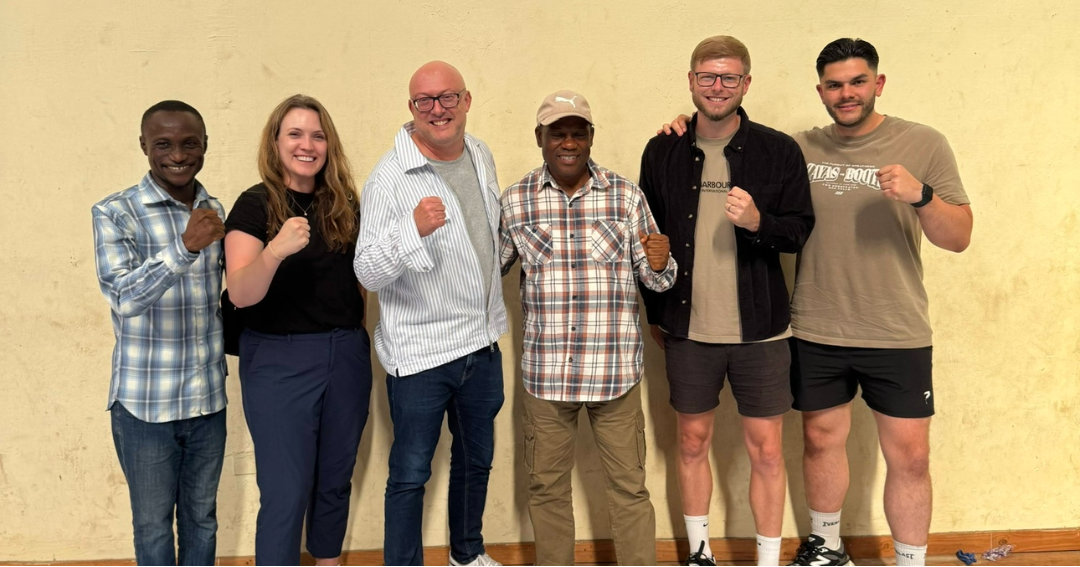
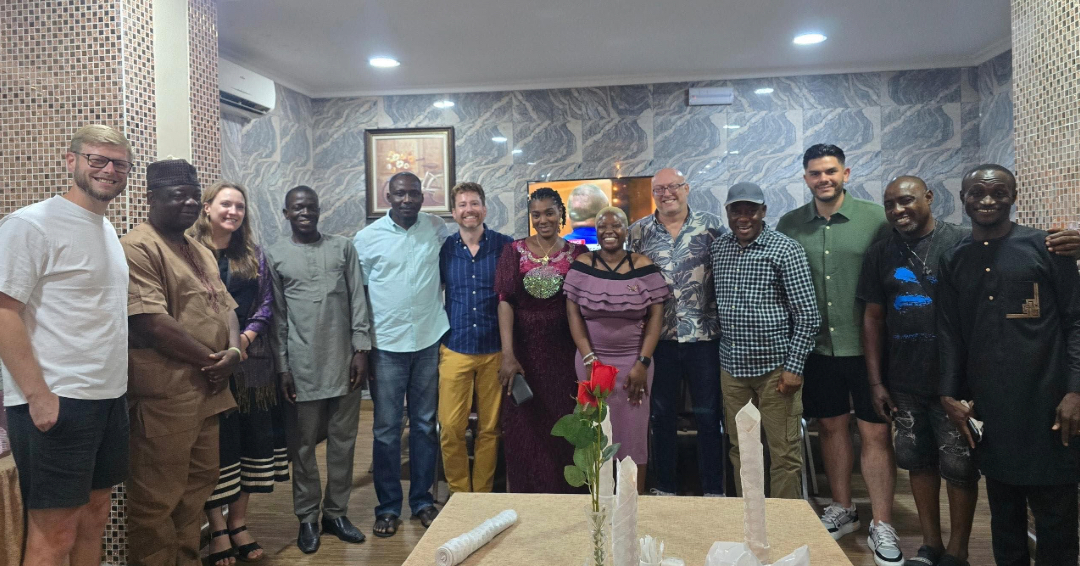
That evening, over dinner with the wider delegation, introductions gave way to ideas. Between generous helpings of smoky jollof rice and plenty of jokes about Ogun State’s famously hot food, conversations turned towards the week ahead, the role boxing can play in communities and the shared ambition that had brought us all to Abeokuta.
As we ended the evening on the hotel rooftop, one thought kept returning: boxing may have brought us together, but the week ahead was going to be about far more than the sport itself.
Listening before leading
If Tuesday was about delivering boxing, Monday was about understanding the community we had come to serve.
Before stepping into the sports hall, we spent the day listening. We met political leaders, security officials, traditional rulers, community organisations and journalists – each offering a different perspective on Abeokuta, the challenges it faces and the collective effort to build a more peaceful city.
Our first meeting was with AIG Olusola Subair (RtD), Special Adviser on Security to the Ogun State Governor, who welcomed the delegation and spoke passionately about the role community partnerships can play in creating safer neighbourhoods. It didn’t take long for Anthony Joshua’s name to enter the conversation. His family’s roots in Ogun State remain a source of immense local pride – and the donation of boxing equipment was warmly received as another example of giving something back to the communities that helped shape his story.
Then, almost on cue, the lights went out.
For a moment, the room fell silent before generators restored power and the meeting continued as if nothing had happened. It was an early reminder that every country has its own rhythm – and one we quickly learnt to embrace.
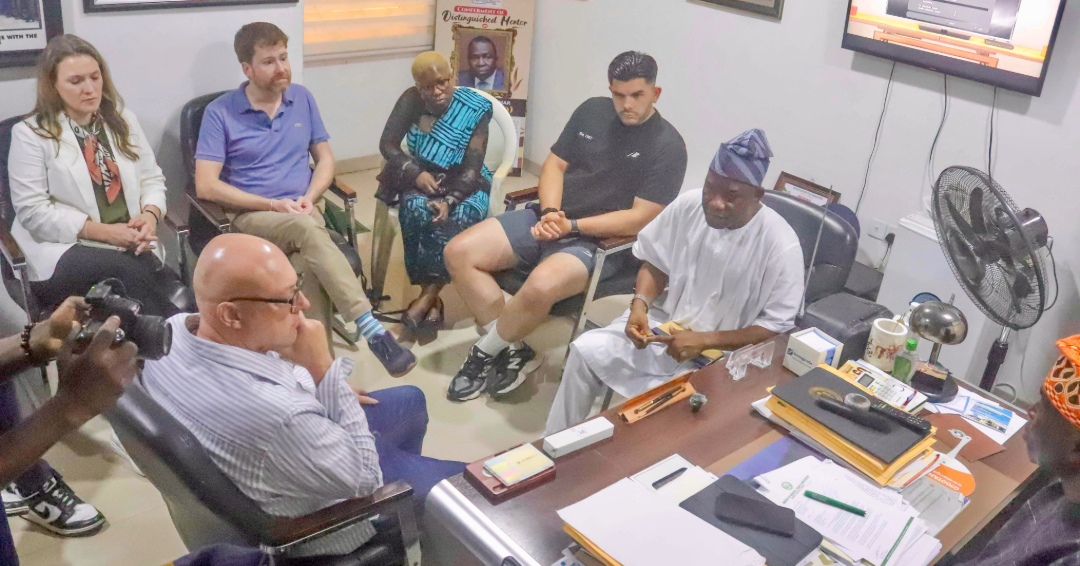
Our next stop took us to Abeokuta South Local Government, where discussions centred on the challenges facing young people across the city. One word surfaced repeatedly: cultism – a term used locally to describe the influence and recruitment of individuals into groups or associations that can fuel violence, extremism and wider social harm.
Although separated by thousands of miles, many of the conversations felt remarkably familiar to those I’ve had with boxing clubs across the UK. The challenges may differ in scale, but the belief that sport, mentoring and trusted relationships can help steer young people towards positive futures was one we all shared.
There were lighter moments too. One of the council officials had spent six years living in Crystal Palace, prompting an unexpected conversation about England, football and life in South London before we returned to the business of the day.
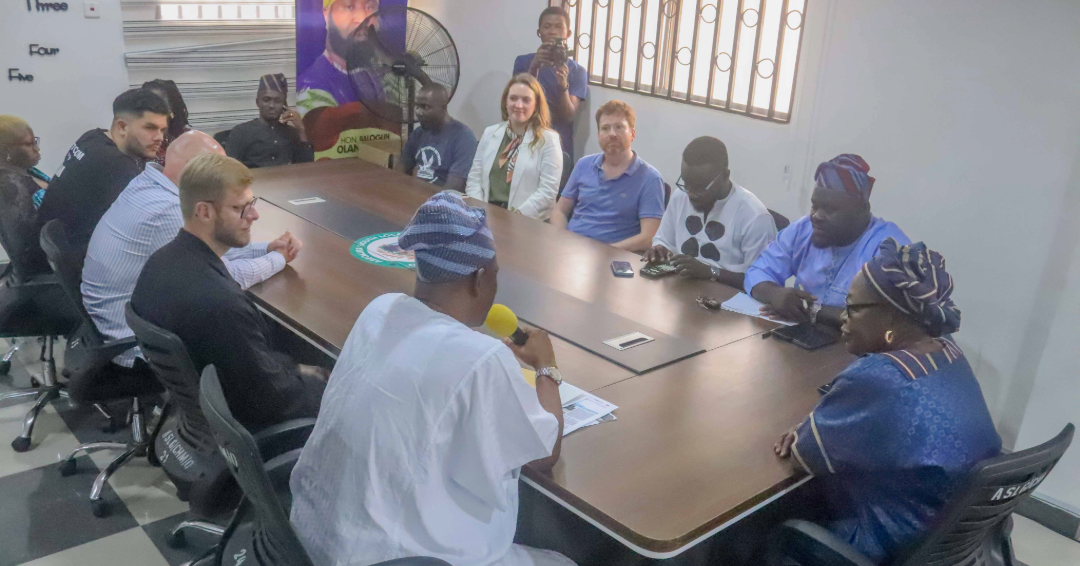
From there, we experienced another side of leadership.
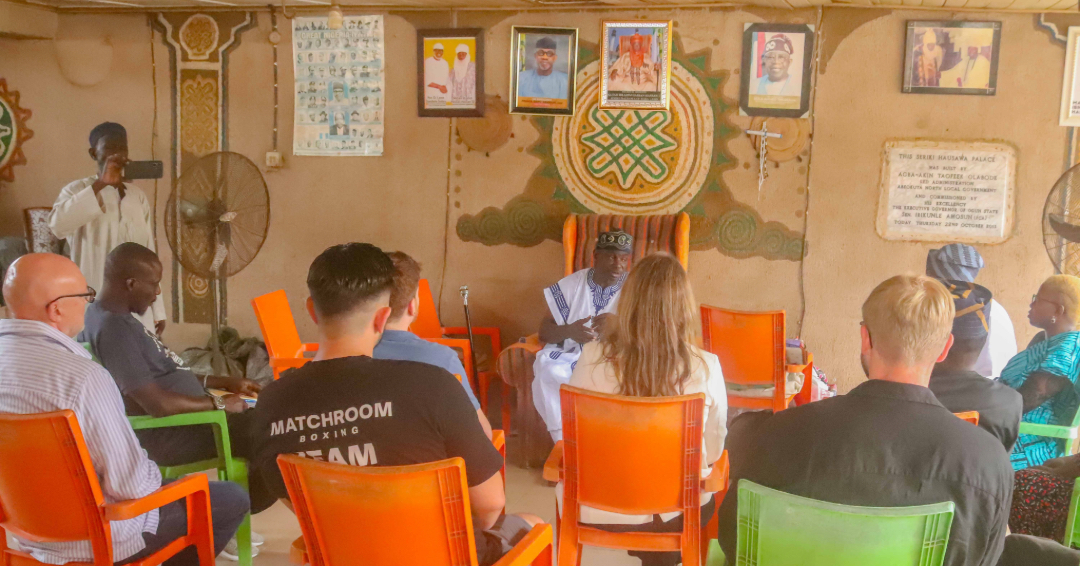
Meeting the Sarkin Hausawa, the traditional leader of the Hausa community in Abeokuta, offered a fascinating insight into customs that continue to play an important role in community life. Before greeting him, we were shown the correct way to shake hands – supporting our right forearm with the opposite hand as a sign of respect.
It was also where I acquired my Nigerian nickname. “Oyinbo” is a word commonly used to describe a white visitor. Apparently, I was so pale that I quickly graduated to “Oyinbo Pepe,” much to everyone’s amusement.
Smoke drifted through the palace grounds as wood was chopped nearby and clothes hung drying in the afternoon heat, creating a scene that couldn’t have felt more different from the government offices we’d just left.
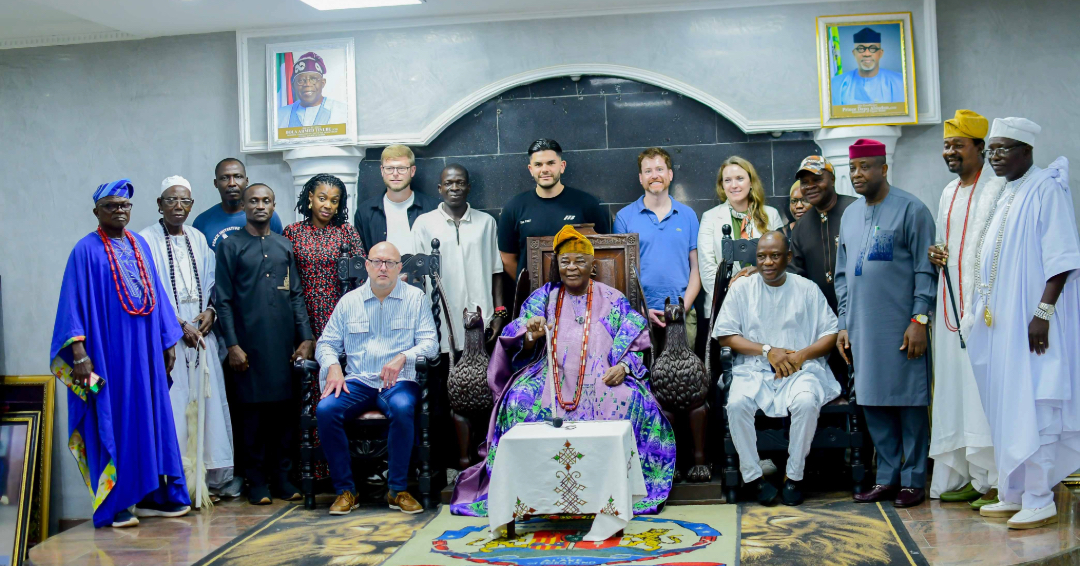
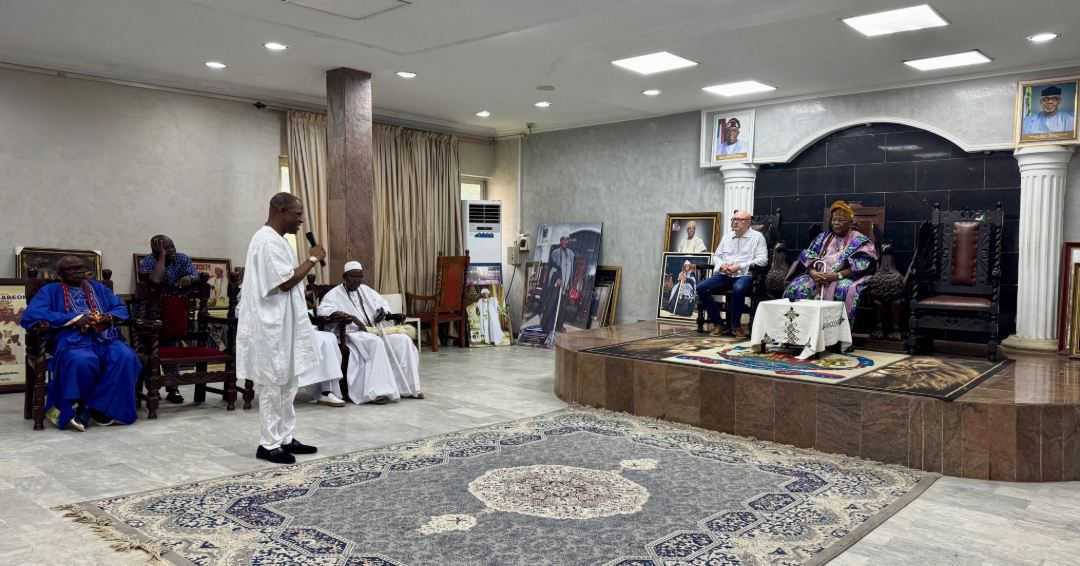
That contrast continued at the palace of the Alake of Egbaland.
Peacocks wandered through the grounds, bats filled the surrounding trees and centuries-old traditions unfolded before us. We watched ceremonies that reflected the significance of the Alake’s role within the city before being presented with traditional robes and gifts – another example of the generosity that characterised our welcome throughout the week.
After lunch, the focus shifted from institutions to the people delivering change every day.
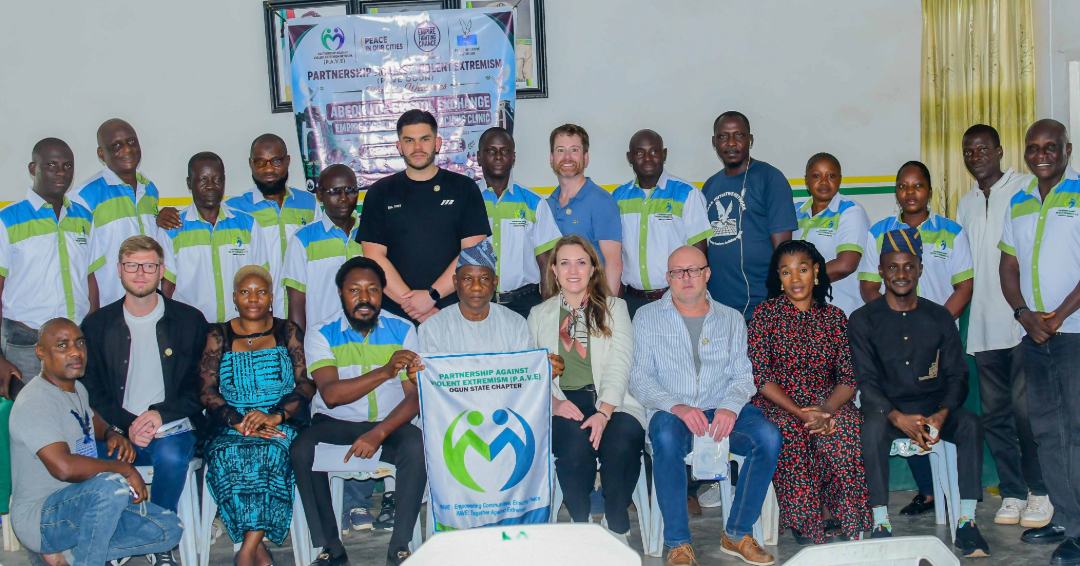
Meeting members of the Partnership Against Violent Extremism (PAVE) felt particularly significant. If the morning had been about understanding leadership, the afternoon was about meeting the practitioners tackling violence and supporting young people across Abeokuta’s communities.
Discussions centred on partnership, belonging and the role sport can play in bringing people together. We were welcomed with remarkable warmth, presented with commemorative gifts and left with the sense that these relationships would continue long after the exchange had ended.
One memorable moment came on the journey there. Somewhere between lunch and the meeting, I decided it was a good idea to buy a takeaway coffee. Balancing a cup of boiling-hot coffee across roads that demanded every ounce of concentration from our driver quickly became the least relaxing coffee I’ve ever attempted to drink!
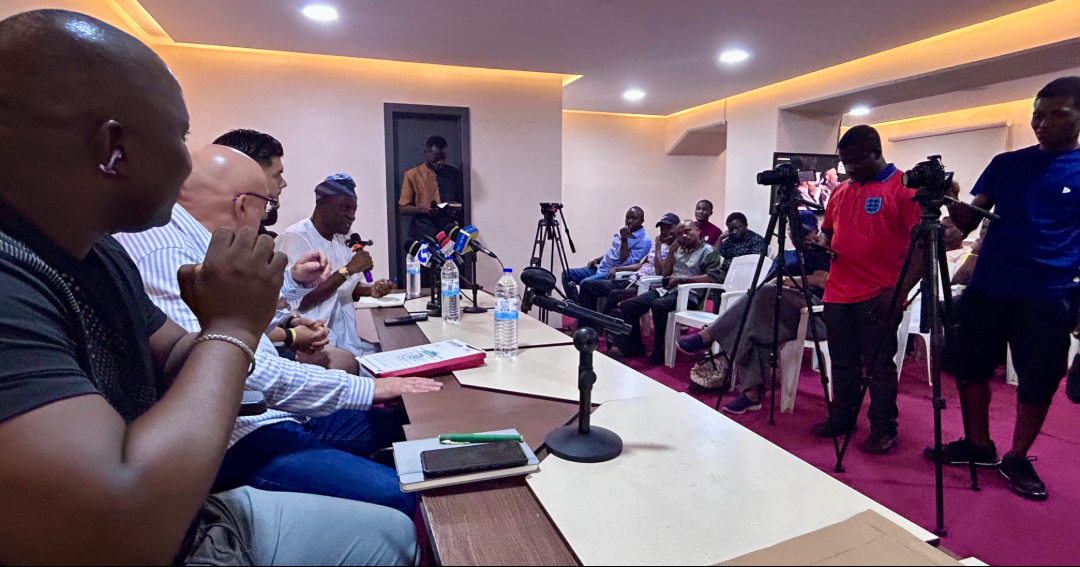
Our final engagement took us to MKO Abiola International Stadium to meet members of the Sports Writers Association of Nigeria.
What I hadn’t appreciated was that we were walking into a press conference.
Suddenly, Martin Bisp (Empire Fighting Chance), Kelsey Paul Shantz (Peace in Our Cities) and I found ourselves behind microphones discussing why we’d travelled to Abeokuta, the role boxing can play beyond the ring and the importance of telling stories that showcase sport’s wider impact.
It felt like a fitting way to end the day. We had spent hours listening. Now it was our turn to speak.
Over dinner that evening, conversations continued long after the plates had been cleared. By now, one thing had become abundantly clear: before trying to make a difference in any community, you first have to understand it.
From conversation to action
After two days spent listening and learning, it was time to put those conversations into action, delivering an Empire Fighting Chance coaching clinic that introduced local coaches to the charity’s psychologically informed, non-contact boxing methodology and explored how boxing can be used to engage young people, strengthen wellbeing and create safer communities.
Walking back into the Alake Sports Centre, the humidity was as relentless as ever. Simply moving equipment around the hall was enough to work up a sweat. Around us, the wider sports complex was already full of activity, with children taking part in everything from wrestling and martial arts to shooting – a reminder that sport sits at the heart of community life in Abeokuta.
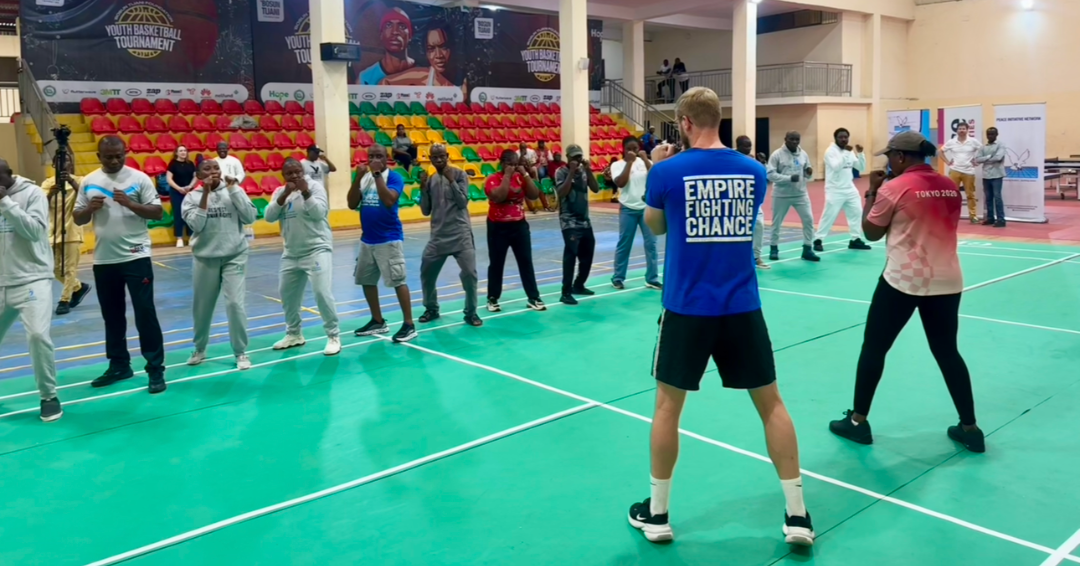
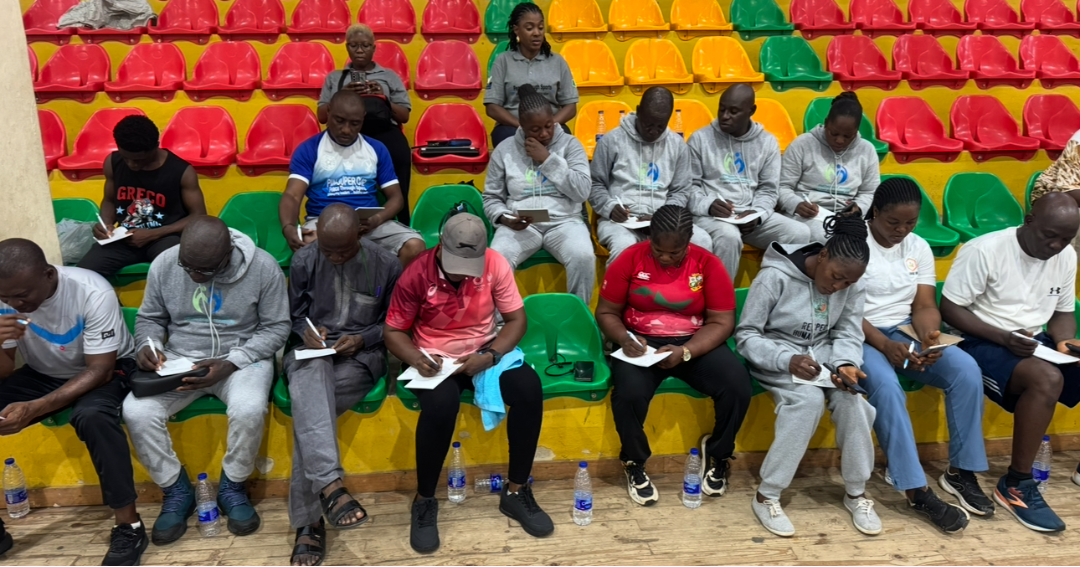
Around twenty coaches and community practitioners joined us, many representing organisations we’d met through PAVE the previous afternoon. For several, this was their first introduction to boxing.
Aaron Morten and Martin Bisp opened the session by introducing Empire Fighting Chance before I reflected on my own journey with the charity.
I’ve seen the programme from three very different perspectives: first as a participant through my own amateur boxing club, Team Shoe-Box, then working alongside Empire during my time at England Boxing and now through Matchroom’s partnership with the charity. Standing in a sports hall thousands of miles from Bristol, sharing that journey with coaches from across Ogun State, it genuinely felt like everything had come full circle.
The morning focused on equipping coaches with practical activities they could adapt within their own communities. Through games, movement and non-contact boxing, one question kept resurfacing:
How can boxing become a vehicle for positive change?
The answer looked different for every organisation represented in the room.
Along one side of the sports hall, the boxing equipment donated by Anthony Joshua and Clean Herts Community had been carefully laid out beneath the event banners. It looked incredibly impressive, but it wasn’t until later that afternoon that those bags truly came to life.
As young people arrived, representatives from the Ogun State Boxing Association, community leaders and the AIG of Police joined us once again for the formal handover.
One by one, gloves were handed out.
Within moments, the hall echoed with chants of: “AJ! AJ! AJ!”
Watching the youngsters pull on their gloves for the first time was special. Seeing the equipment immediately put to use by a community that had welcomed us so warmly was a fitting reward for everyone who had helped make the donation possible.
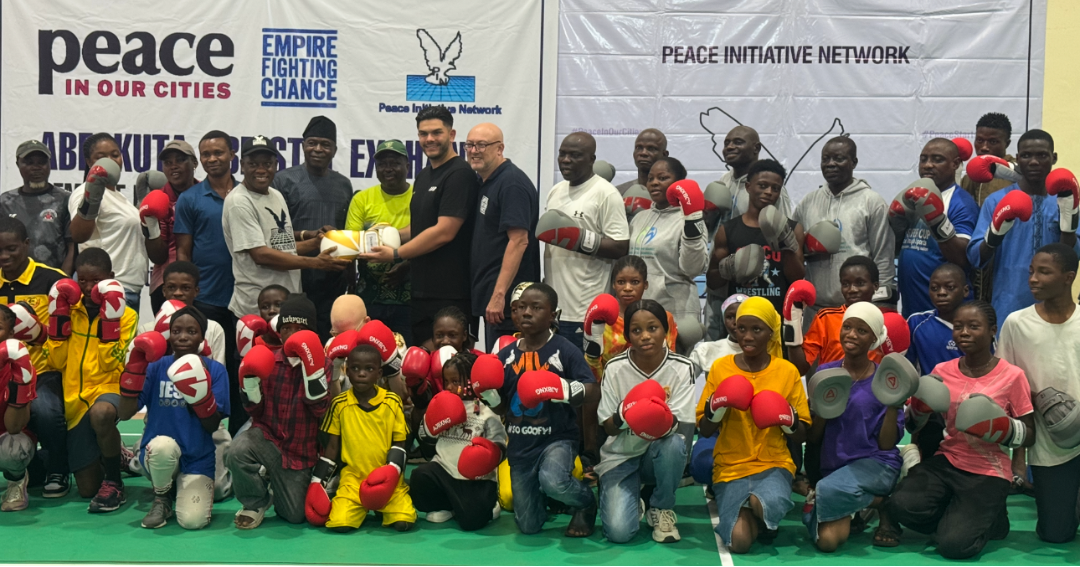
The afternoon quickly shifted from learning to delivery. Coaches who had spent the morning developing new skills were now putting them into practice with young people from across the community, supported by the Empire team and our wider delegation. It was exactly what the exchange had been designed to achieve – sharing knowledge that could continue long after we’d returned home.
One conversation in particular stayed with me.
During a break, I spent time speaking with Mosunmola Yinka Adeoti, an IBA Two-Star Coach and International Technical Official with the Nigerian Boxing Federation. We spoke about the growth of women’s boxing in Nigeria, opportunities to strengthen the sport further and the importance of continuing to create pathways for female coaches and officials.
Like so many conversations in Abeokuta, it felt less like the end of a discussion and more like the start of an ongoing collaboration.
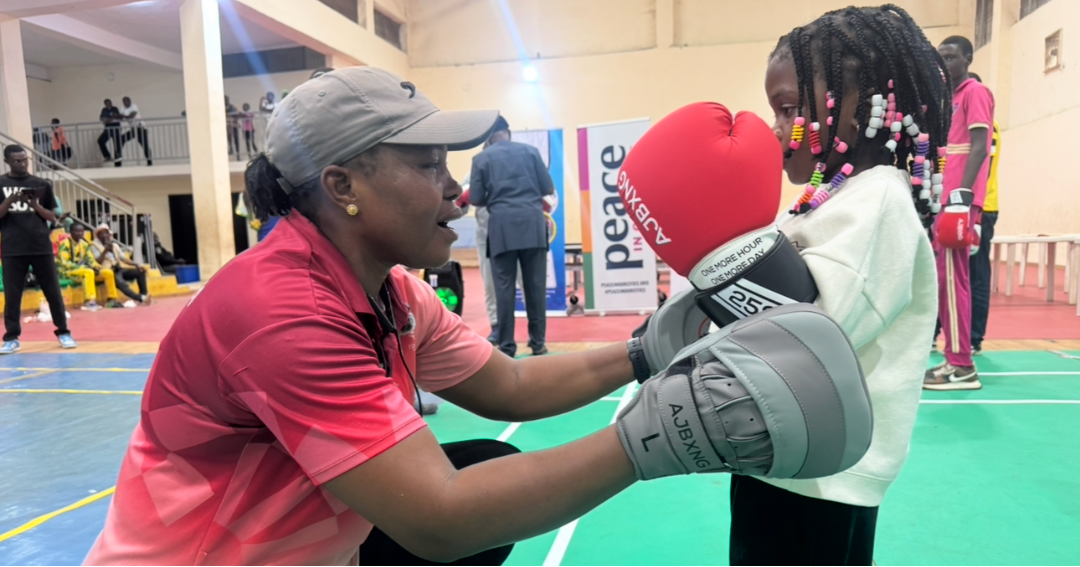
That evening, the day took another unexpected turn.
We were invited to meet former Nigerian President Chief Olusegun Obasanjo GCFR at the Olusegun Obasanjo Presidential Library.
After a day spent in the humidity of the sports hall, we found ourselves in an entirely different setting. Despite a long wait while the former President completed other commitments, the opportunity to spend time with one of Nigeria’s most influential statesmen was one our hosts understandably valued enormously.
When we were finally welcomed in, Obasanjo spoke passionately about peacebuilding, community leadership and the importance of partnerships that bring people together across countries and cultures. Listening to him endorse the ambitions of the exchange reinforced the importance of the work being undertaken by Peace Initiative Network and everyone involved.
For Michael and our colleagues from PIN, the meeting meant far more than protocol. By the end of a long day, hunger and tiredness had almost become part of the humour, but afterwards Michael quietly summed up the evening by saying he felt “full.”
It wasn’t the food – we’d barely eaten all day – but the satisfaction of seeing someone he deeply respects recognise and encourage the work his team is doing across Abeokuta.
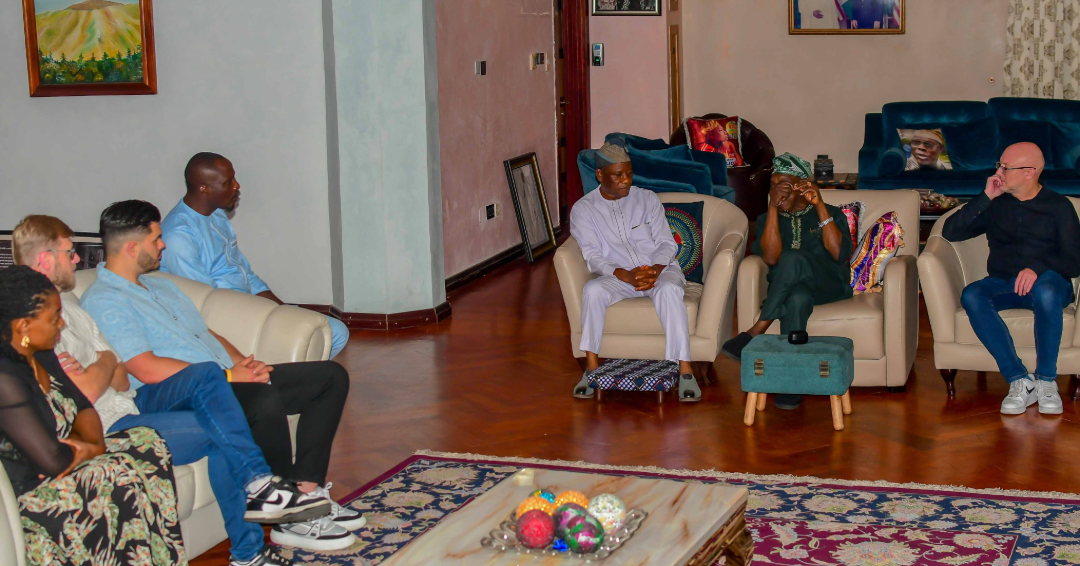
Dinner that evening brought one final cultural experience. Determined to keep exploring Nigerian cuisine, I ordered egusi soup with semo and quickly learnt the proper way to eat it – using only my right hand. The flavours were outstanding, although some of the unfamiliar textures took a little more getting used to than others!
Long after dinner had finished, conversations continued back at the hotel. Despite the long day, discussions had already turned towards the future – how relationships built in Abeokuta might create opportunities elsewhere, including the growing ambitions around Fighting Chance USA.
By now, it was becoming obvious that this wasn’t simply an international visit. It felt like the beginning of something much bigger.
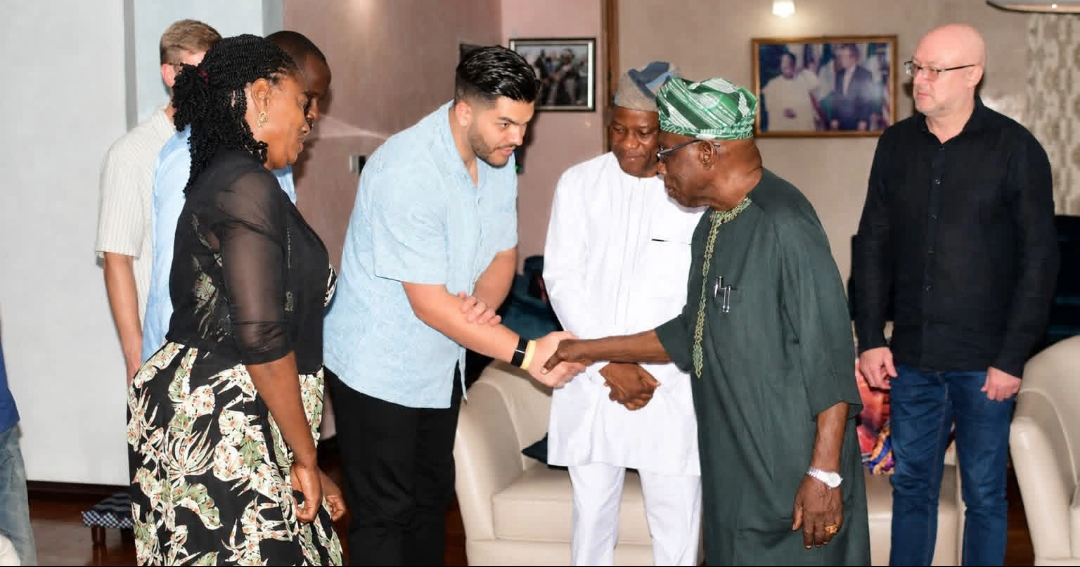
Under the rock
Our final morning in Abeokuta began with one last official engagement.
Expecting a visit to Olumo Rock, I’d dressed for a hike in a New York Knicks T-shirt and shorts. Instead, we found ourselves welcomed into the Ogun State House of Assembly to meet the Speaker and a number of senior political leaders. It wasn’t quite the outfit I’d have chosen to meet one of the state’s most senior figures, but thankfully the warm Nigerian hospitality extended to forgiving my questionable wardrobe choices!
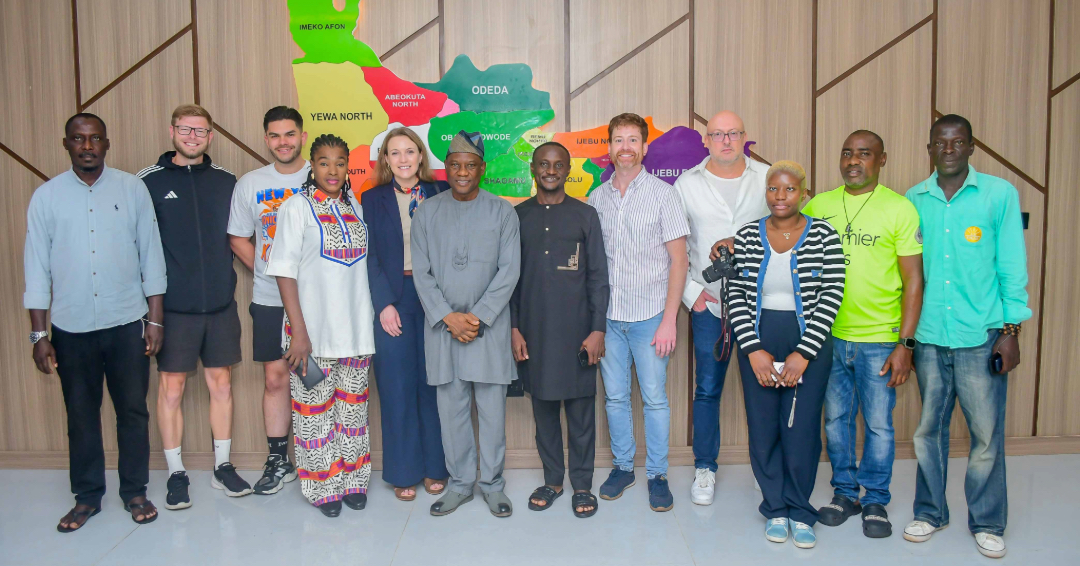
The discussions echoed many we’d shared throughout the week: the role of partnership, the value of investing in young people and the potential for boxing to create opportunities beyond the ring. It felt like a fitting final meeting before turning our attention to one of Abeokuta’s most iconic landmarks.
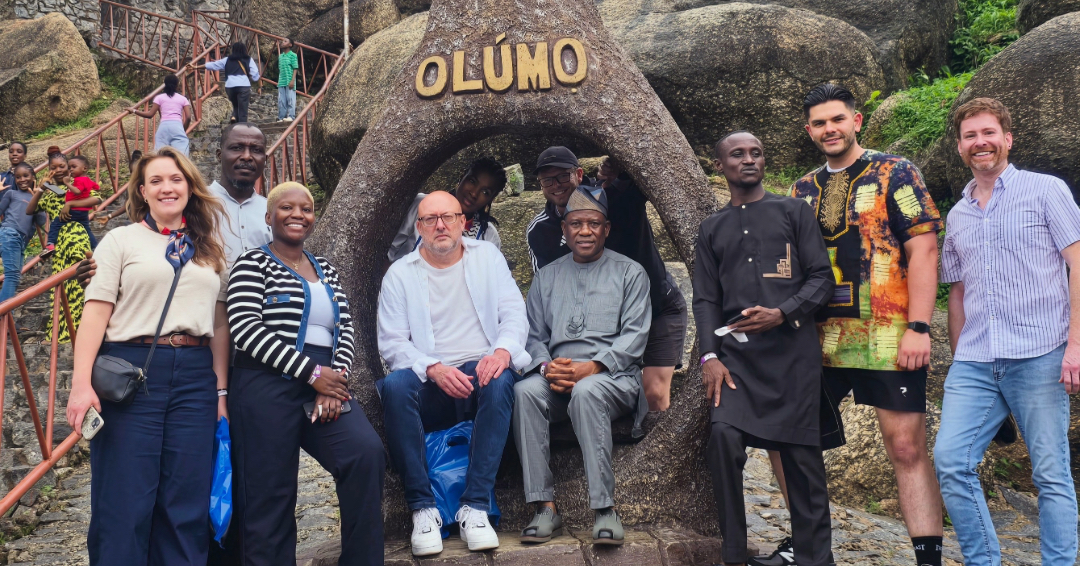
We arrived at Olumo Rock. Known as the site from which Abeokuta takes its name –
“under the rock” – it felt impossible to leave the city without visiting the place that has watched over it for centuries.
The atmosphere was unforgettable. Traditional drumming echoed across the site as local performers welcomed visitors with music and dance. Families explored the pathways, guides shared stories of the rock’s history and intricate artwork celebrated Yoruba culture at every turn. Climbing through the ancient granite formations, it was easy to understand why Olumo Rock remains such an important symbol of identity and resilience for the people of Abeokuta.
Before leaving, I bought a traditional Yoruba outfit from one of the local craft shops. It reminded me of a similar purchase during my visit to Ghana, but this time it carried a different meaning. After the warmth and generosity we’d experienced throughout the week, it felt like a small way of showing respect for the culture and people who had welcomed us so openly.
Lunch offered one final helping of smoky jollof rice, grilled chicken and plantain – by now a firm favourite – before it was time to pack our bags and begin the journey back to Lagos.
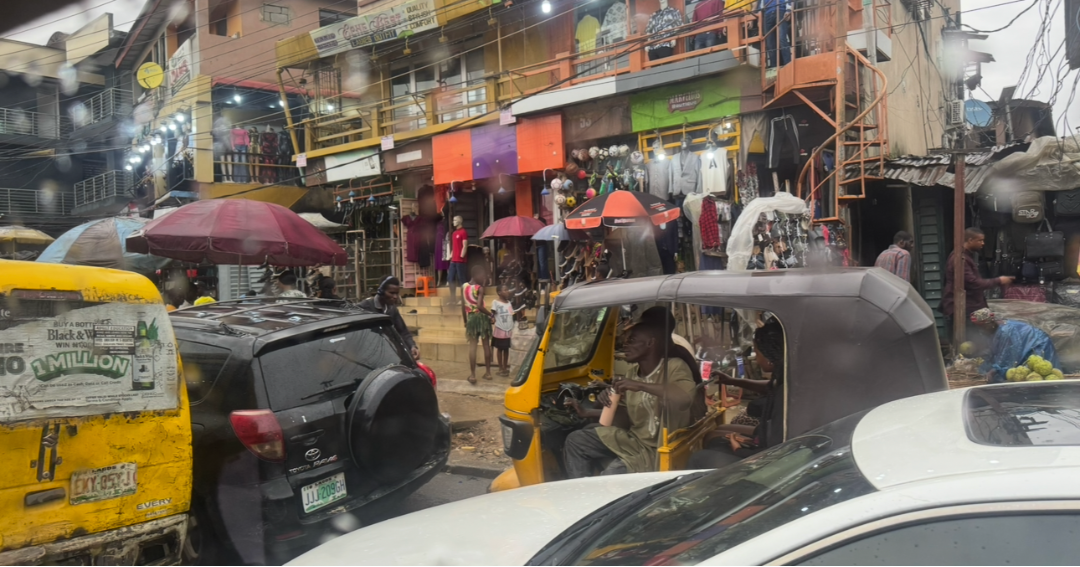
The return journey provided one last reminder of Nigeria’s incredible energy. As we approached Lagos, the roads became increasingly busy, with traffic flowing in every direction and the city revealing its relentless pace. It was hectic, colourful and unmistakably alive.
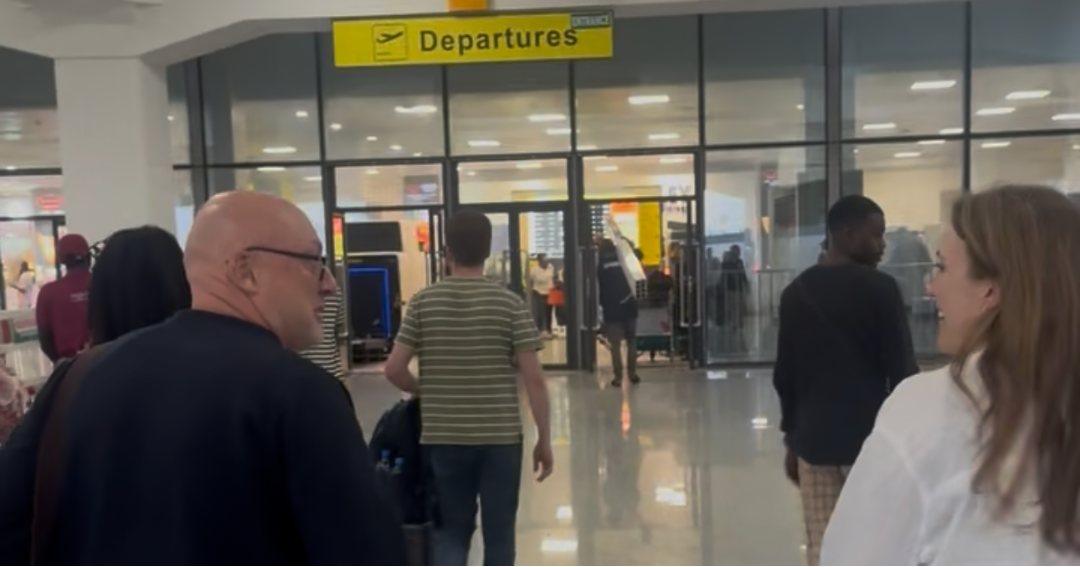
Waiting for our flight home, I found myself reflecting on everything the week had contained.
We’d met political leaders, police commanders, traditional rulers, coaches, journalists and young people. We’d delivered coaching sessions, donated equipment, shared ideas and learnt just as much as we’d taught. We’d experienced Nigerian hospitality, explored new traditions and built friendships that I have no doubt will continue long after the exchange itself.
What struck me most, however, was how familiar many of the conversations had been.
Whether in Bristol, Philadelphia or Abeokuta, the challenges facing young people are often remarkably similar. The language may differ. The culture certainly does – but the importance of trusted adults, strong communities and meaningful opportunities is universal.
That was perhaps the greatest lesson of the week.
The exchange was never about arriving with all the answers. It was about listening, learning and recognising that lasting change is built through partnership.
By the time we left Abeokuta, the boxing equipment had found its new home. Ideas had been shared, partnerships strengthened and friendships formed.
For me, that’s what this exchange will be remembered for.